Hydrocarbon and alternative solvent dry cleaning machines
Products
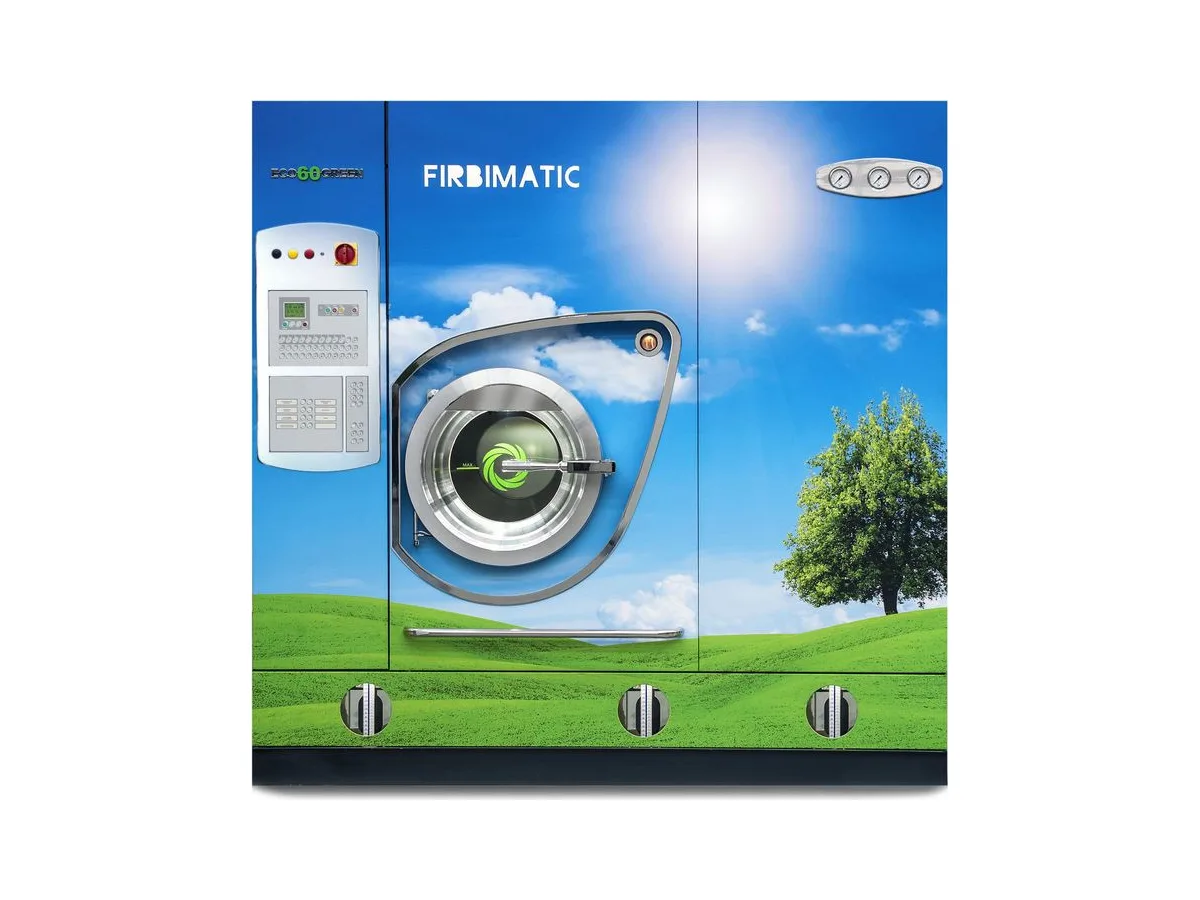
Ecogreen
Washing systems for alternative solvents
18 to 40 kg
View Ecogreen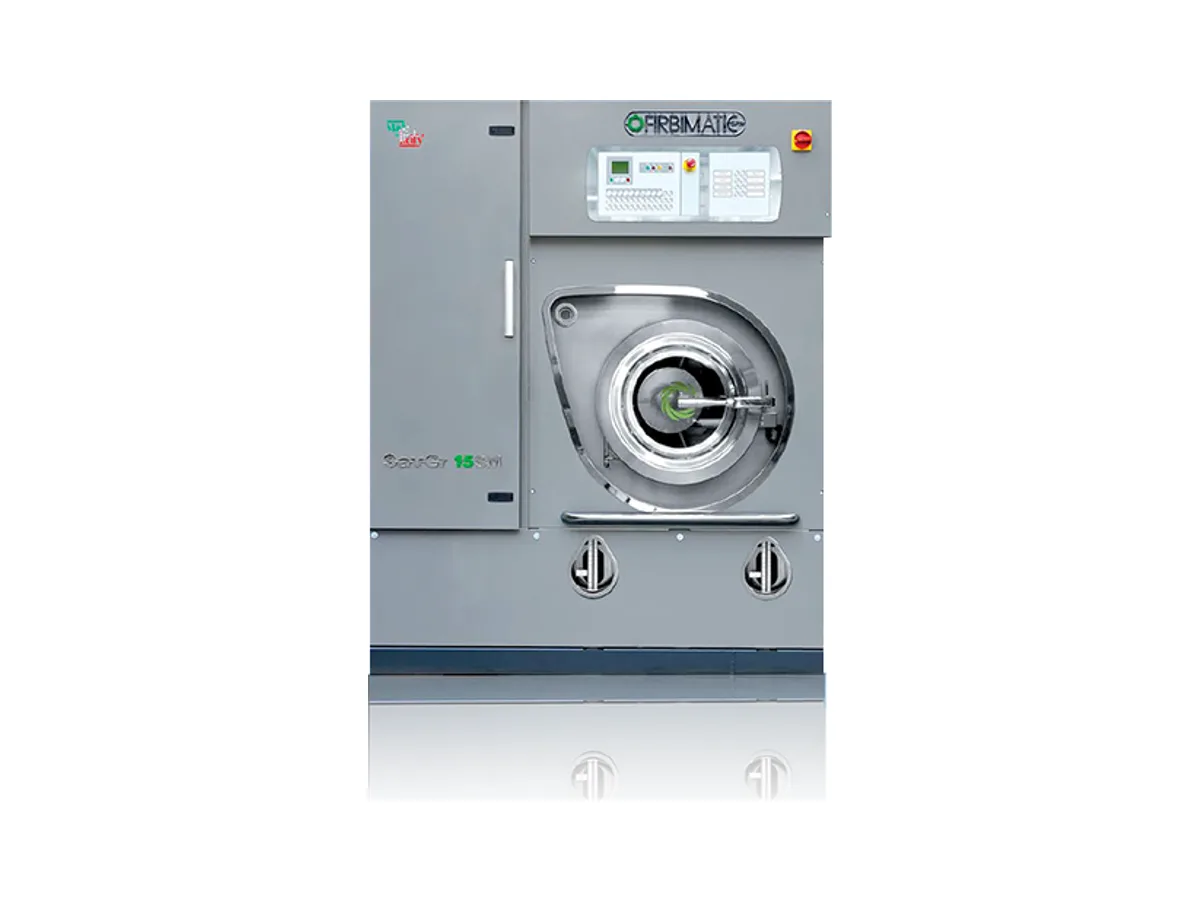
Saver
Class III aliphatic solvent machines that save energy and water
10 to 25 kg
View Saver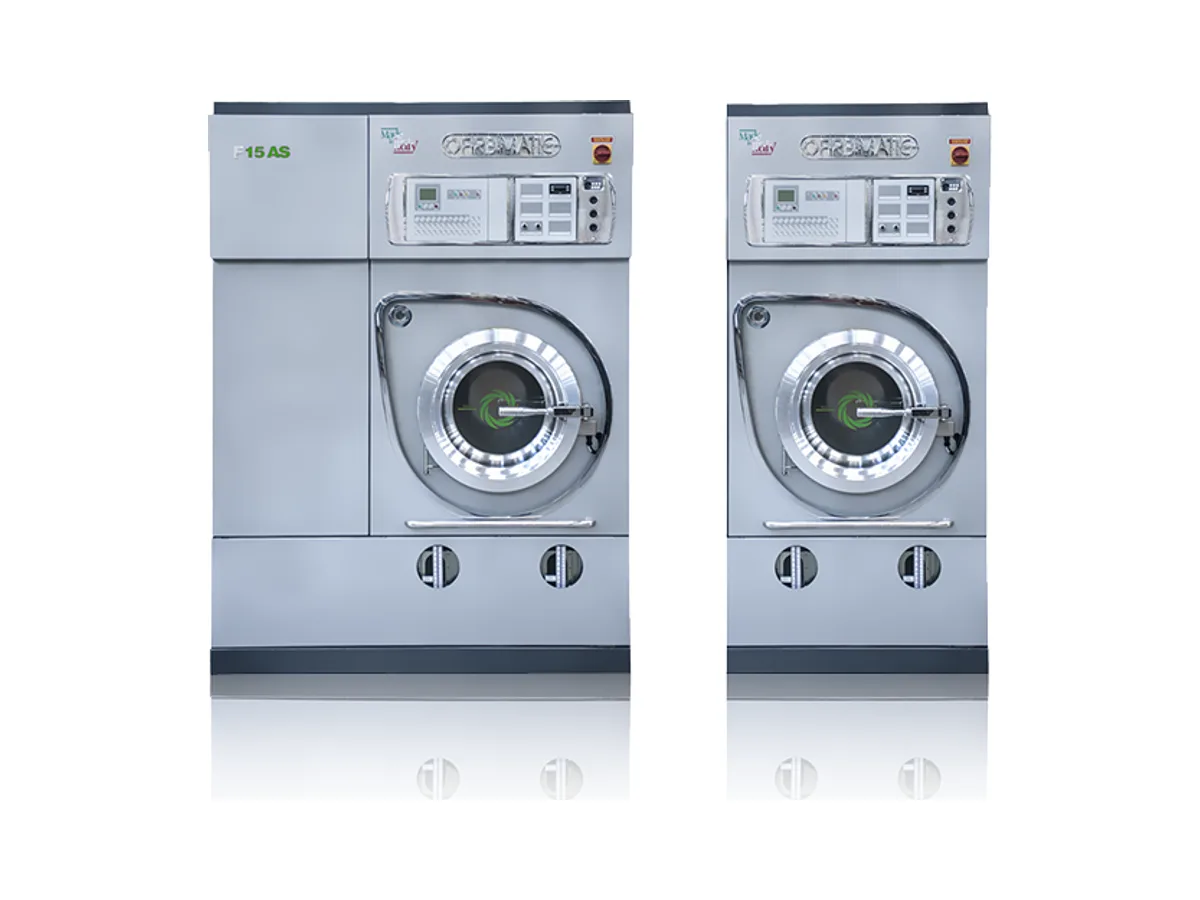
F AS Series
Multi-solvent machines in standard and space-saving versions
10 to 25 kg
View F AS Series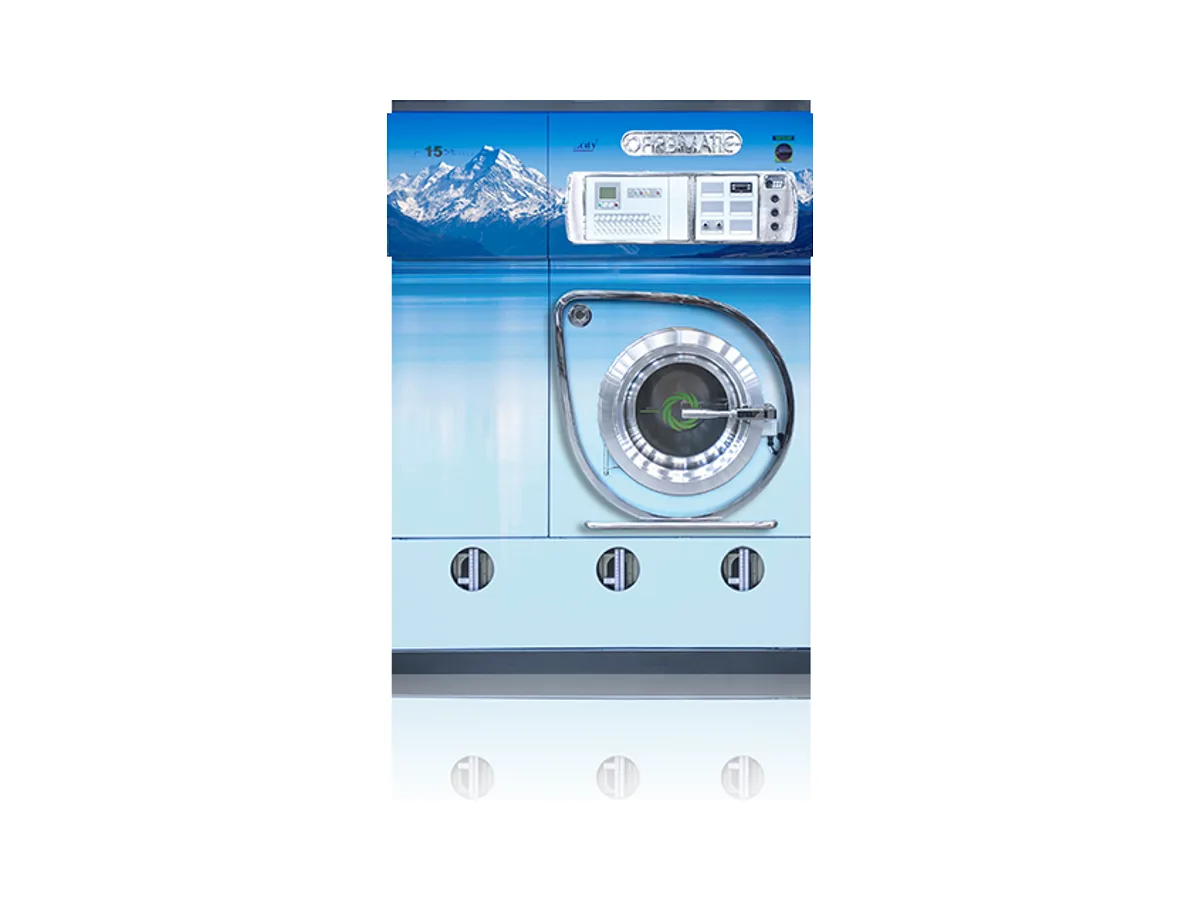
SM cushioned systems
Suspended basket machines for fast drying
18 kg and 25 kg
View SM cushioned systems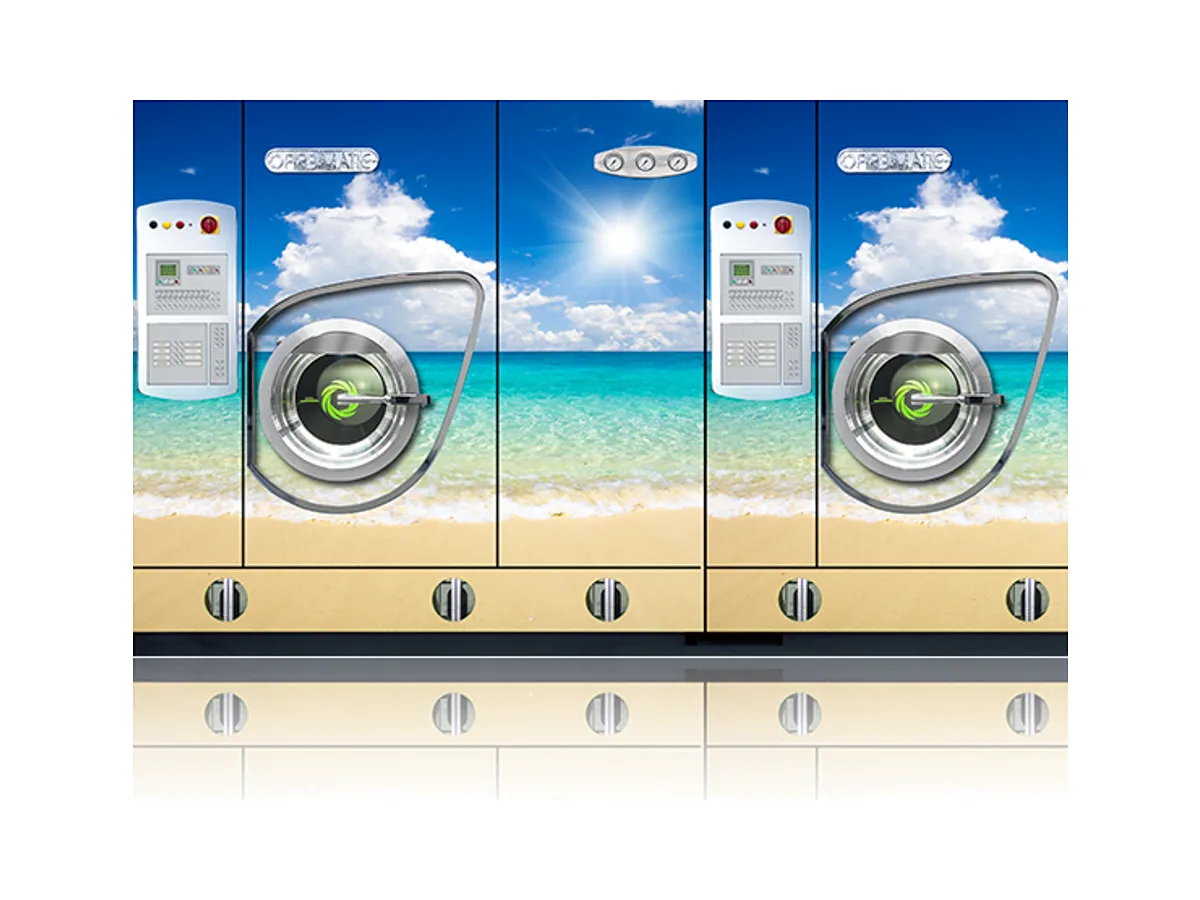
Tandem AS
High-volume machines for alternative solvents
25 + 25 kg and 32 + 32 kg
View Tandem ASDry cleaning machines for alternative solvents
Why a multi-solvent line
Environmental rules in several countries have pushed dry cleaners towards solvents that are kinder to the environment but combustible, as an alternative to perchloroethylene. Most are based on modified hydrocarbons and alcohols, in many formulations, and some clean as strongly as perchloroethylene or even better.
With so many solvents on the market, it has become harder to choose the right cleaning system. That is why Firbimatic created the multi-solvent line: a flexible machine that can run on any solvent available.
Firbimatic machines can currently run on hydrocarbons, GreenEarth (silicone-based), Intense, Higlo and Sensene. After a proper internal clean, the operator changes solvent by adjusting parameters and settings to suit the new solvent's properties. The distillation heating temperature is raised or lowered to match the solvent's boiling point, and the drying temperature at the basket inlet is set to the temperature the solvent calls for.
Working safely with alternative solvents
The big difference from perchloroethylene is flammability. Perchloroethylene does not burn; the alternative solvents do, so the machines need Class IIIA equipment and safety precautions. Class IIIA solvents have a flash point at or above 60 °C and below 93 °C.
For distillation the machines use under-vacuum distillation: a dedicated vacuum pump lowers the boiling point inside the distillation chamber, so the process runs under optimal and safe conditions.
For drying, the machines are designed to work below the solvents' flammability limits, supported by ETL/Intertek certificates. During drying the machine always works below 25 percent of the LEL (lower explosive limit).
Fractional distillation keeps water under control
Most of the water and moisture comes off in the first part of the distillation, with very little in the rest. Fractional distillation splits the process into two stages to take advantage of that. The first part, which carries the moisture, goes to separator 1, where the solvent waits to be used in the next cycle. The aim is to hold the water in separator 1 and keep it out of the solvent tanks.
A small amount of water is useful for treating water-soluble stains such as salts, sugar, sweat and urine. Firbimatic notes that hydrocarbons are much more tolerant of moisture than perchloroethylene or fluorocarbon, so the risk of felting in wool or greying of white cotton appears to be lower.
The second part goes to separator 2. Once it reaches a set level it passes to separator 3, which acts as a decanter and separates the last, very small amount of water from the solvent. The cleaned solvent then reaches the storage tanks.
Keeping odour away
Odour is another feature of alternative solvents. Dry cleaners moving from perchloroethylene often worry about maintenance, because a bad smell can develop in a machine that is not maintained properly and consistently. Bacteria from garments can collect in the water separator and the solvent storage tanks, and any water that builds up in the tanks encourages them.
Continuous distillation with fractional distillation and proper separation, perhaps with a specific antibacterial product (as the solvent suppliers recommend), already helps manage the water in the system. Firbimatic adds two more features:
- Self-cleaning tanks. The solvent tanks in the F series are round. Solvent is pumped in from above at high pressure, creating a vortex that keeps the walls clean, and there are no corners where dirt or bacteria can collect.
- Automatic rear drum cleaning. Solvent enters under pressure from the back of the drum and cleans that whole area every cycle, reducing lint build-up. Firbimatic lists the benefits as better solvent cleaning and fabric results, less odour and better garment drying.

Firbimatic at your disposal
Talk to Spencer Systems, the exclusive Australian distributor. Call 1300 70 69 70 or send a request.