

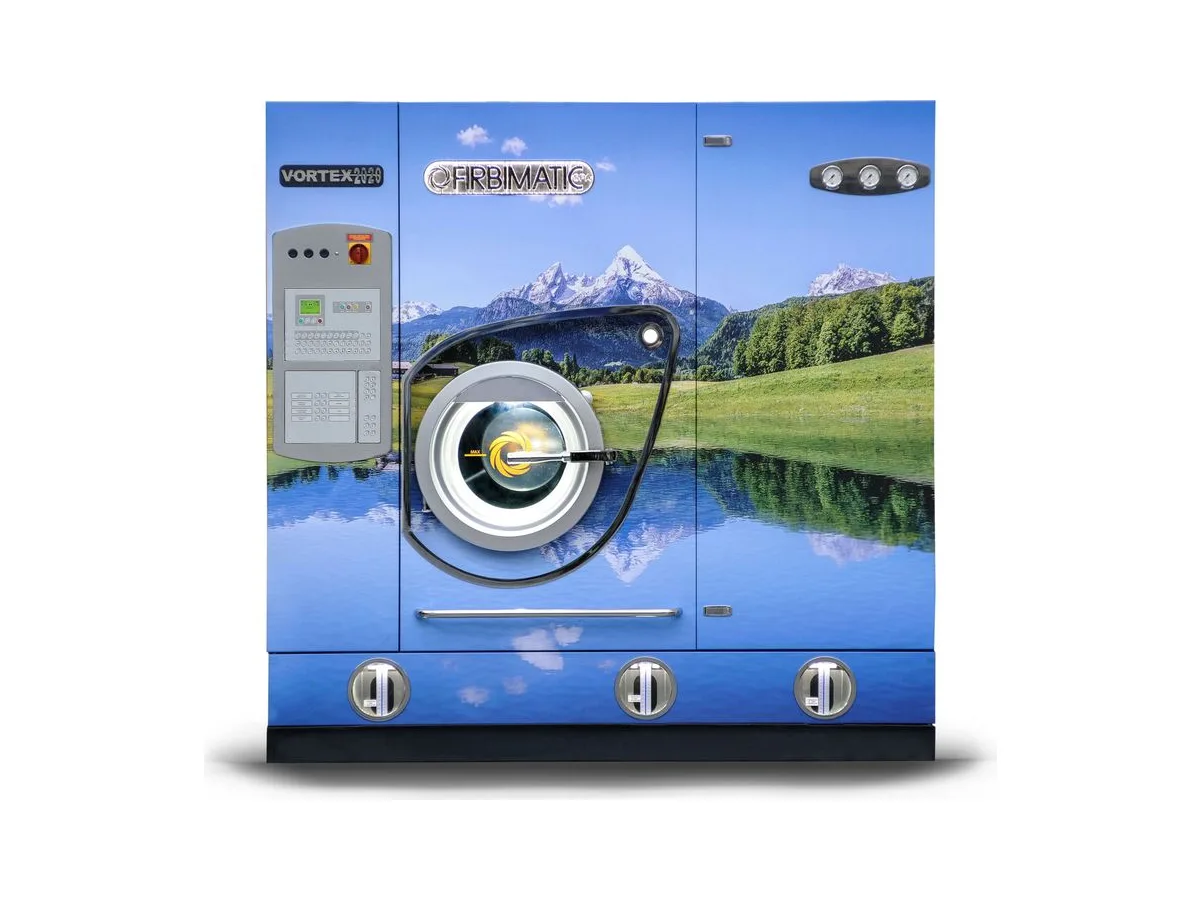
A dry cleaning machine does hard work every day, and the shops that get the most from theirs have one thing in common: they look after it on a regular schedule. This post explains why regular maintenance matters and sets out the kinds of jobs a routine usually covers, from quick checks every few loads to a yearly service. For the exact tasks and intervals for your machine, use its manual.
Why regular maintenance matters
Firbimatic's manuals put it plainly: correct, regular maintenance means you have an efficient machine to work with at all times, and the machine's high reliability comes from a maintenance and inspection program carried out over its whole life. A routine like that is worth the time for several reasons.
- Fewer surprises. Small jobs done on time are quicker and cheaper than a breakdown in the middle of a busy week.
- A machine that runs as designed. Filters, seals and gaskets that are clean and in good condition let the machine do what it was built to do.
- Safer working. Solvent and still residue need careful handling. A routine means these jobs are done properly, with the right protective gear, instead of in a rush.
- Looking after your investment. A machine kept in good order is a machine that keeps working for you.
- Easier service visits. A technician arriving at a machine that has been kept in order, with a record of what was done, can get straight to the real problem.
Keep to the manual and to normal use
Every Firbimatic machine comes with a manual that lists its maintenance jobs and how often to do them. Treat it as your first reference. The schedules assume normal use. The perc machine manual, for example, bases its recommendations on about 7 to 8 cycles a day, and says the jobs need doing more often if the machine works harder than that. The manuals also say their schedules are a guide, because conditions such as temperature and the working environment change what a machine needs.
Not every job is for the operator. The manuals say who may do each task: the operator, a maintenance mechanic, a maintenance electrician, or a technician from the manufacturer or distributor. Do the operator jobs yourself and leave the rest to a qualified technician.
Safety first
- Put a notice on the control panel saying the machine must not be operated while work is under way.
- Switch off the machine's main power before maintenance, unless the manual says otherwise.
- Wear protective gear, such as goggles, gloves and a respirator, when handling solvents.
- Before switching on again, check that everyone is clear of the machine and every tool has been removed.
A typical routine
Exact jobs and timing depend on the model and on the options fitted, but a routine usually follows this shape.
Every few loads
- Clean the lint filter and the button trap. The manuals list these about every 3 wash cycles.
Every day
- Clean the secondary air filter.
- Drain the water that collects in the separator or decanter.
- Check the solvent levels before the first load.
- Check and wipe the loading door gasket, and replace it if it is worn or damaged.
Every week
- Clean the filters your machine uses to keep the solvent clean.
- Clean the still, when it is cool and empty, and store its residue safely.
- Empty the separators, and check any compressed air equipment.
Every month
- Clean the filters and fans on the electrical panel and motors.
- Clean the air filters more thoroughly, and clean the air exhaust.
- Check the drive belt and replace any filter cartridges that are due.
Every year, or every few months on some jobs
- Clean the inside of the solvent tanks.
- Clean the refrigeration coils, the condenser and the fans.
- Replace the carbon where fitted, and check and clean the safety valves.
Write it down
The manuals do not ask for a log, but a short written record of what was done and when makes it easy to see what is due next. It also gives a service technician a clear history when they visit.
Get the manual for your machine
The most useful step is to have the right manual to hand. Spencer Systems can supply the manual and service information for Firbimatic machines on request. Get in touch with your machine's model and Spencer Systems will help.